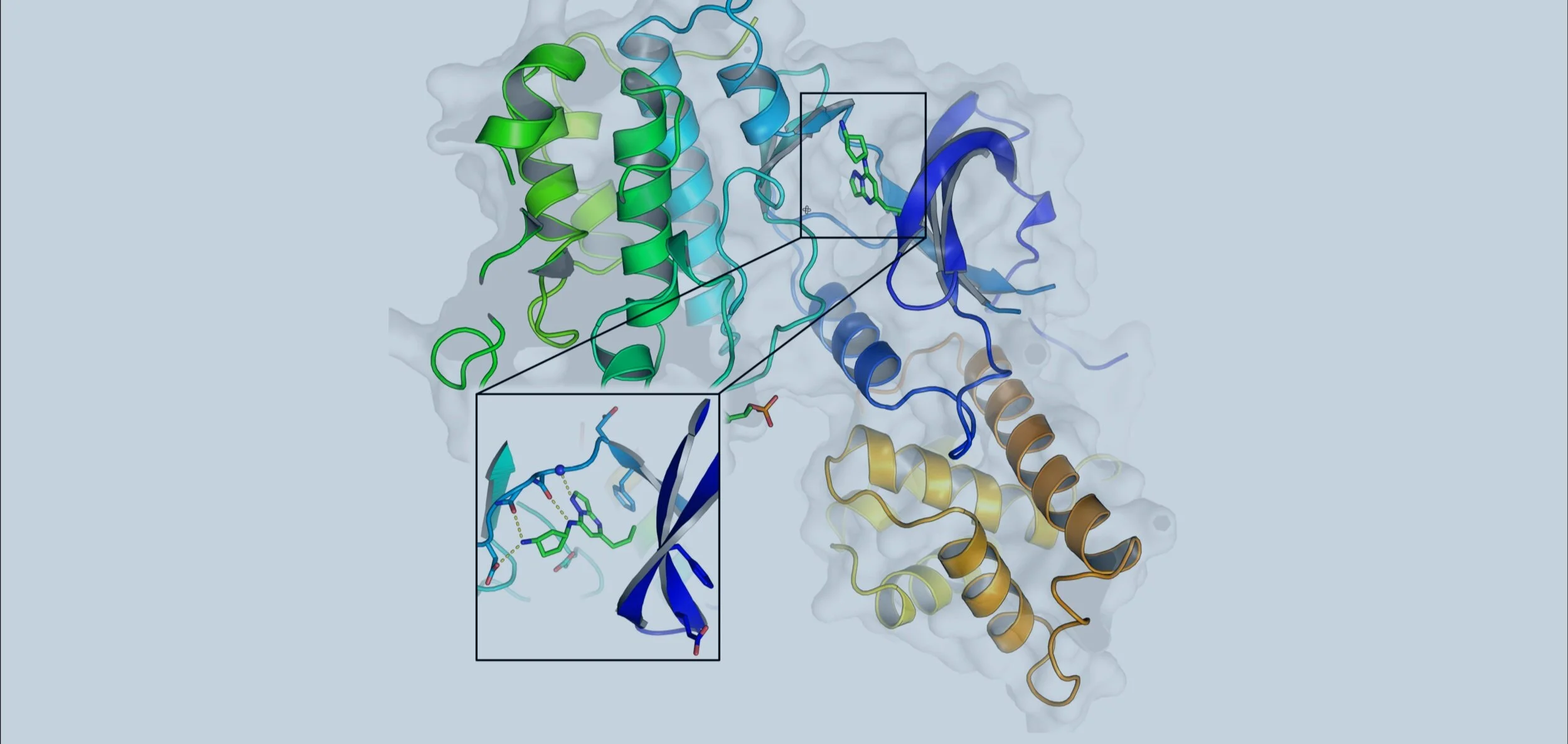
The Koehler Lab aims to innovate in the earliest stages of drug discovery by building chemical tools and technologies to expand the repertoire of protein targets that are considered “undruggable."
We focus primarily on building chemical tools and methods for studying temporal aspects of transcriptional regulation in development and disease, with a focus on target validation in cancer.
Binding assays - small molecule microarrays

Over the last decade, small-molecule microarrays (SMMs) have proven to be a general, robust and scalable screening platform for discovering protein-small molecule interactions that lead to modulators of protein function. SMMs are uniquely well suited to uncovering ligands for historically “undruggable” targets, as they do not rely on prior knowledge of binding pockets or enzymatic activity.
Attenuating oncogenic transcription
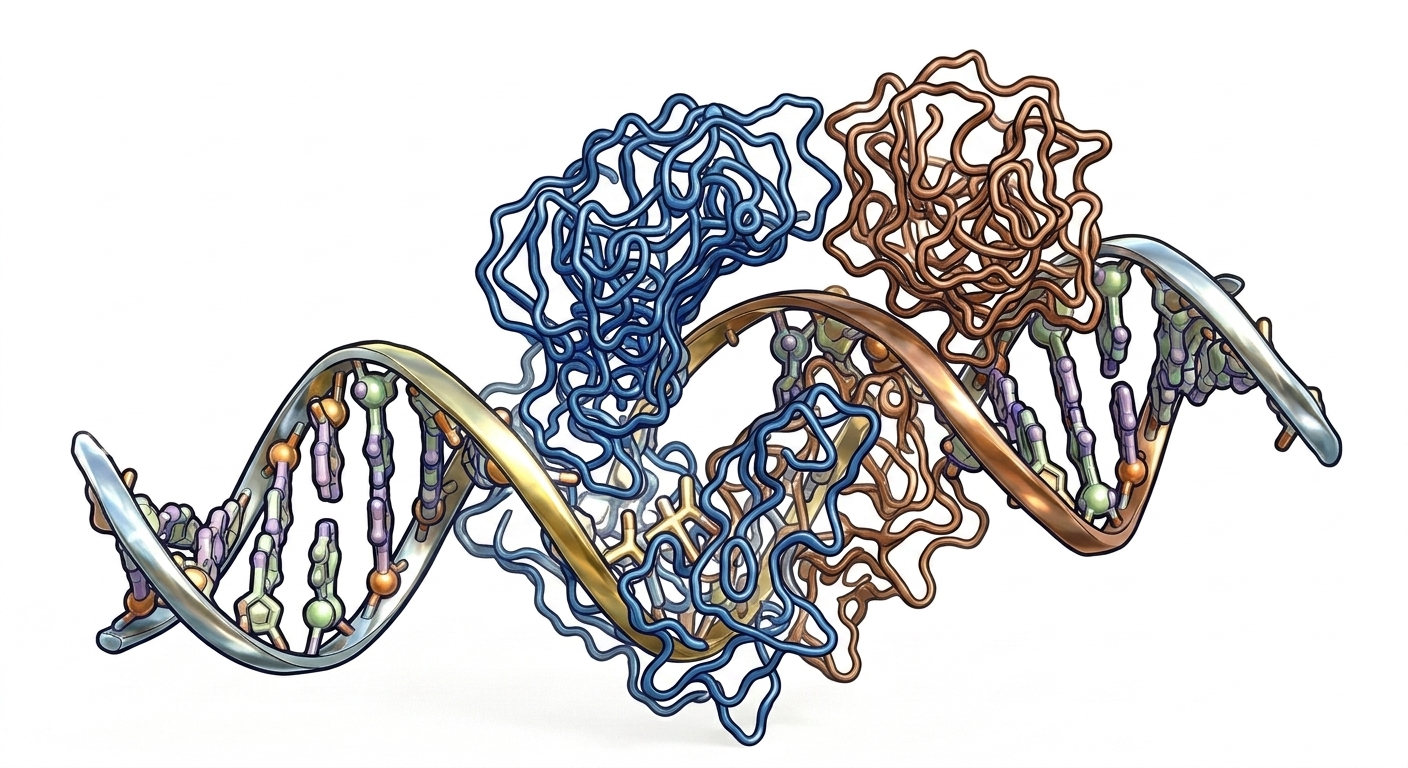
Our team is developing chemical probes and proximity-based strategies to study transcriptional regulators, particularly transcription factors that are dysregulated in cancer, and evaluate their function with functional assays as well as directly in relevant cellular contexts.
Probes of signaling and chromatin regulators
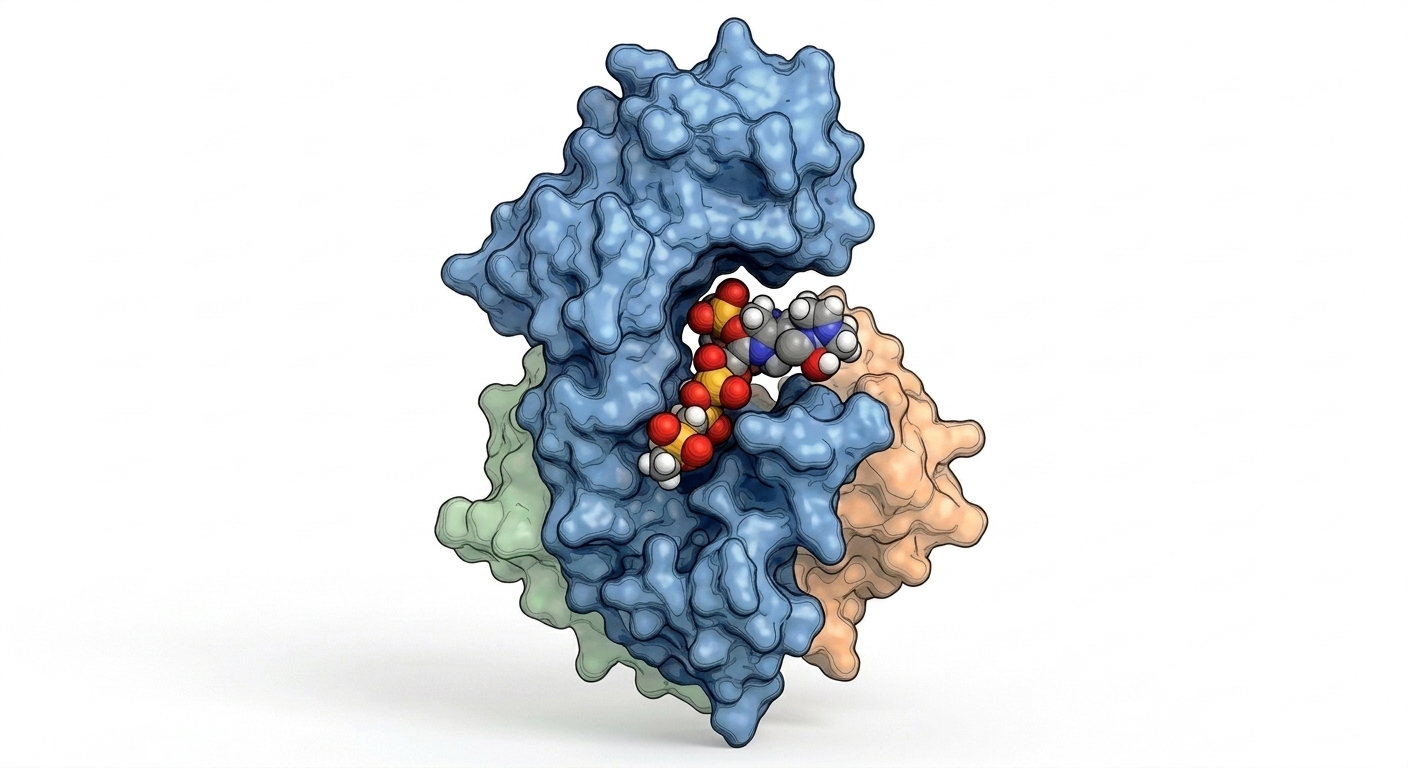
In parallel, we pursue complementary strategies to indirectly modulate transcription by targeting key regulatory nodes, including kinases, epigenetic modifiers, and chromatin-associated enzymes.


New MIT Chemical Biology Postdoc Opportunity: Agrochemicals are critical for food security, but they can have detrimental effects on health and the environment. Come redefine their design and deployment using a combination of synthetic biology, artificial intelligence, directed evolution, and ultra-high-throughput automated screening. These are highly collaborative, interdisciplinary positions that will enable you to work with my group as well as Connor W. Coley, Regina Barzilay, Jaime Cheah, Alexander Tropsha, and Chris Voigt. See the impact of your efforts quickly with translation partners in academia (U Tennessee and U Illinois) and industry that will test designed molecules in the field. Chemical biology approaches will involve screening, biophysics, and chemical optimization of chemical probes against a variety of plant target classes. Please send inquiries along with a CV to koehler@mit.edu.